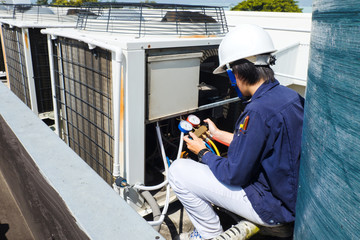
An air conditioning replacement is an investment in comfort, efficiency and home value. But replacing an old system can seem overwhelming.
Frequent repairs and rising energy bills signal that your HVAC system is nearing the end of its life. A replacement may be the more cost-effective option than continually paying for repair costs. Visit AIR CONDITIONING REPLACEMENT LOVELAND OH to learn more.
Preparation
A new AC unit is a major investment in your home’s comfort. Whether your current system is on its last legs or you want to upgrade for greater efficiency, an AC replacement is a great way to improve air quality, reduce energy consumption, and increase home value. Proper preparation can streamline the process and help you avoid costly mistakes. From clearing pathways to preparing thermostat settings, small steps can make a big difference when it comes to a stress-free installation.
The first step in the AC replacement process is assessing your current system and discussing your needs and preferences with your HVAC professional. Having a clear idea of your home’s size, heating and cooling requirements, and budget will help your technician recommend the right size and model for your home. It is also important to consider any ductwork repairs or upgrades that may be necessary for optimal performance.
It is best to replace an aging AC system before it breaks down completely. Common signs that your current AC is on its last leg include squealing or rattling noises, uneven cooling, and sudden spikes in energy costs. Recognizing these signs allows you to take action before your system fails and gives you the opportunity to enjoy a comfortable, efficient home throughout summer.
Next, you will need to prepare the site where your new AC unit will be installed. Start by removing furniture, decor, and clutter from around your indoor and outdoor units to provide technicians with a clear workspace. If necessary, move vehicles away from outdoor units and trim back overgrown plants and bushes to prevent damage during the removal and installation process. You should also protect your valuables by moving them to a safe place during the work period. It is helpful to have a designated area where you can retreat to during the installation process, as it will be noisy and dusty.
Removal
During this phase of the replacement process, technicians remove your existing air conditioning unit. They start by shutting off power to the equipment and draining any remaining refrigerant (requires an EPA-certified professional). Next, they disconnect and disassemble your old outdoor condenser unit and air handler. They also remove the existing refrigerant line set, which is a series of copper lines through which your home’s cooling system’s refrigerant travels from the outdoor condenser to the indoor evaporator coil. Technicians carefully wrap and cover floors and furnishings to prevent damage during removal and ensure safety measures are in place.
During the installation stage of your new air conditioning replacement, licensed HVAC professionals install and connect the outdoor and indoor units to each other and to your home’s ductwork, as needed. Then, they pressure test the refrigerant line set with nitrogen to make sure all joints are sealed airtight. Licensed professionals also upgrade your home’s drainage and wiring, as required.
On average, the duration of this phase of the replacement process spans from 4 hours to a full day. This timeline depends on various elements, including whether your existing ductwork requires adjustments to match the requirements of your new air conditioning system. Effective scheduling and coordination between homeowners and HVAC professionals help minimize delays during this process. The process is accelerated further if suitable ductwork and wiring are already in place, as this eliminates the need for time-consuming adjustments.
Installation
The installation phase of an AC replacement is essential for safety, code compliance, energy efficiency and warranty protection. During this stage, trained technicians connect and configure your new system. They verify clearances and properly position indoor and outdoor units to optimize performance and airflow. Depending on the AC replacement you choose, this may include repairing or replacing existing ductwork, installing new refrigerant supply lines and the thermostat, and modifying wiring and circuit breakers where necessary.
This is also a time to discuss options like cooling capacity, energy efficiency ratings and brand preferences. It’s important that you are able to communicate with your HVAC professional regarding these needs so that they can recommend the best AC for your home.
Once the site evaluation is complete and any required upgrades or ductwork repairs are completed, your contractor can begin to install the new equipment. This typically involves gaining access to attic areas, crawl spaces and basements to remove the old equipment, disconnecting the lines and removing any refrigerant. They’ll then cut and patch any holes left by the previous unit, replace the ductwork components as needed, and connect and form a line set for the new AC. A service valve is also installed to isolate the new refrigerant so that you can easily service or repair your new system if necessary in the future.
After the new equipment is connected, your technician will perform pressure and vacuum tests to ensure the system is working as expected. Refrigerant is then added and the system is retested to confirm it’s functioning according to manufacturer specifications. The technician will also walk you through the new system, explaining how to operate your thermostat and how to change filters and maintain your new AC for peak efficiency and comfort.
The installation process can take anywhere from a few hours to a full day. Be prepared for some disruptions during this time, and keep children and pets away from the work area for their own safety as well as the crew’s productivity. If you’re considering an AC replacement, schedule the installation during mild weather to avoid extreme heat and disruptions.
Testing
Air conditioner replacement is best performed before the system fails, avoiding the stress and discomfort of a sudden breakdown in the middle of summer. Understanding the typical 15-to-20-year lifespan of an AC unit, as well as the steps involved in replacing it, can help homeowners plan ahead for this critical home improvement project.
The first step in the replacement process is an initial assessment of the home’s heating and cooling needs by a licensed HVAC professional. The contractor will take into account factors such as square footage, insulation, window placement, and local climate data to determine the precise size needed for the new HVAC system.
Next, the HVAC team will inspect the existing ductwork and make any repairs or modifications necessary for optimal comfort and energy efficiency. Often, this involves accessing the attic or crawlspace where the old equipment is housed. The HVAC professionals will then select the ideal unit for the home, taking into account brand preference, energy efficiency ratings, and optional features like smart thermostats or zoning controls.
Once the HVAC team has installed the new unit, they’ll perform pressure and vacuum tests to ensure that it is working correctly. After that, they’ll add refrigerant to the system, completing the process and ensuring proper operation. The installers will also show the homeowner how to use the new thermostat, change the filters, and maintain the system for maximum performance.
During this testing stage, the technician will verify that all electrical connections are made properly, following manufacturer guidelines and local electrical codes. They’ll also test the unit for optimum performance and energy efficiency, and set up any thermostat or zoning controls as needed.
Once the testing is complete, the technician will explain how to operate the new system and provide warranty information. Then, the homeowner can enjoy a comfortable, quieter living space with lower energy bills and improved indoor air quality. In addition, many newer systems offer advanced filtration options to reduce allergens and other airborne particles, making them an excellent choice for families with respiratory conditions.